
Published Wed, 28 October 2026
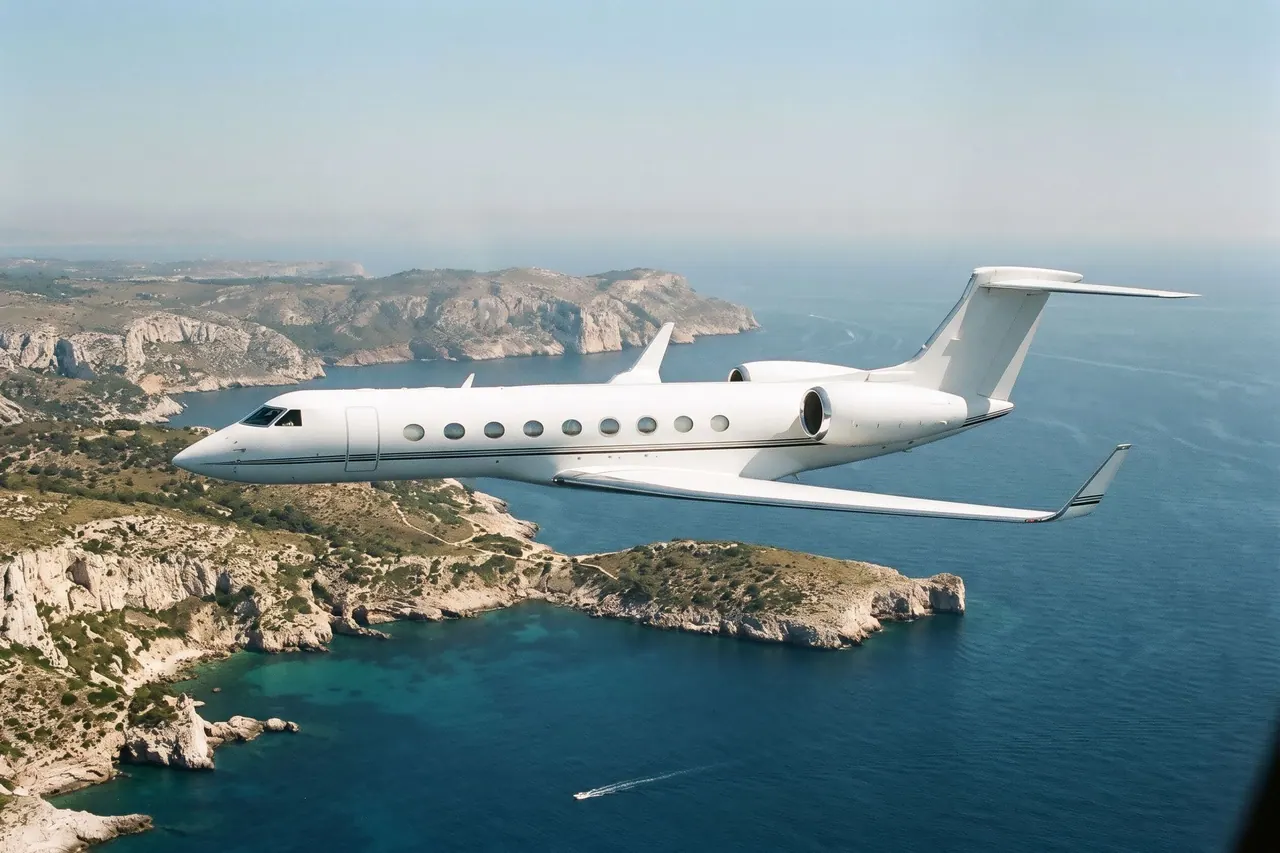
Somewhere in Europe today, a private jet is flying with nobody in the back. It dropped its passengers this morning and has to get home, or it is on its way to collect someone else. That flight is called an empty leg, and the operator would much rather sell it for something than fly it for nothing.
Why they are cheap
On a normal charter you pay for the aircraft to come to you, fly you, and go home again. On an empty leg, somebody else has already paid for most of that. The operator is selling a flight that was going to happen anyway, so the price reflects what the market will give, not what the flight costs.
The catch
The flight only exists because of another booking. If that client leaves three hours late, so does the aircraft that was coming for you. If that client cancels, your empty leg may vanish altogether. This is not sharp practice. It is simply what an empty leg is, and it is why the price is what it is.
A proper quote says this in so many words, and says what happens next: whether the operator will offer another aircraft, at what price, and how quickly your money comes back if nothing can be found.
Who they suit
- People who can move a day either way.
- One-way trips: the leg goes in one direction only.
- Trips where arriving late would be an annoyance and not a disaster.
They are a poor fit for weddings, for connections to a long-haul flight and for meetings that cannot move.
How to get a good one
Tell us roughly where and roughly when, and we watch for a match. The flexible client gets the best legs, because most of them appear only a few days ahead. Sign up for our alerts and you see them before they are listed.
And if the trip matters, ask us to price a normal charter as well. Often the sensible answer is an empty leg out and a guaranteed flight home.